






Thinking, making, and getting it done.
I build software and explore how it connects to the physical world. My interests include robotics, local computer systems, satellite data, and 3D-printed aircraft.
I enjoy working through an idea, building a useful first version, and improving it through experiments. I use code, simulation, and engineering studies to understand how things work and where they can work better.
These repositories share what I make and learn along the way: tools you can run, methods you can inspect, and results with clear limits. Physical builds and flight tests are identified separately from software demonstrations.

Exploring the Super Stingray and its VTOL conversion, designed by Flightory. The project explores 3D-printed airframes, aircraft model previews, and electronics choices for a future build. The illustration shows the VTOL concept; it is not evidence of an assembled or flight-tested aircraft.
Software tools, simulations, and engineering studies.

A small local operations tool for filesystem readings, system load, and stored history. Inspect the dashboard, export metrics, and check backup and restore with a bounded SQLite data store. It reports the local system; it does not claim to monitor an entire physical lab.

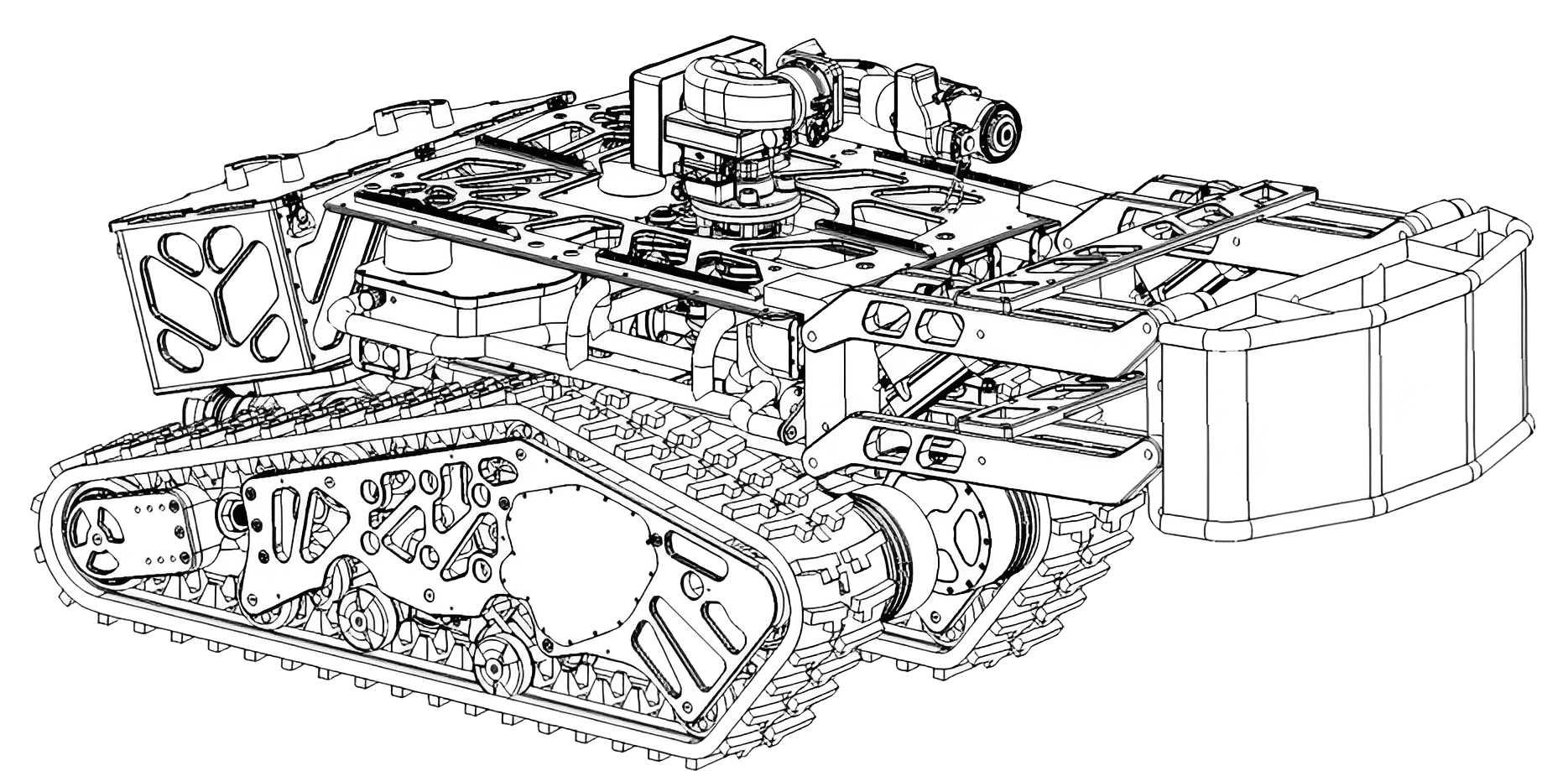
A perception and motion-planning bench that turns simulated range scans into point clouds and candidate targets. Inspect the planned motion of a four-joint arm, replay joint positions, and examine failure states. This is a software simulation, with no physical rescue arm or hardware connection.

An exploration simulator where each robot plans from its own map and nearby robots exchange observations. Replay a run in the browser and compare how the team covers an area. The project studies coordination in simulation; it does not claim a physical fleet or field deployment.

A local system dashboard and portable-computer study for a Raspberry Pi. Inspect synthetic replay or supported system readings, calculate an assumed power budget, and explore setup templates and enclosure geometry. The hardware remains unbuilt; fit, battery runtime, and thermal performance need physical tests.

A historical Sentinel-2 study of the Jamuna River region in Bangladesh. Compare two acquisitions, adjust the water-index threshold, inspect valid coverage, and export classified data. The results show candidate surface-water changes, not confirmed flood extent, damage, or disaster warnings.

An offline survey-planning workbench for a PIXHAWK mission study. Draw or load an area, set camera assumptions, inspect the route, and export JSON, GeoJSON, or a QGC waypoint file. It does not connect to a vehicle, generate a complete flight procedure, or claim flight-tested integration.
The project illustrations are AI-generated concepts, not photographs of completed hardware.